


The 2026 travel year in one minute
International travel is fully recovered and growing, more than 1.5 billion international trips are expected in 2026, past the pre-pandemic peak. The practical questions have changed: not whether to go, but where still delivers, when it's cheapest, and what entry paperwork is new this year. Those are the three questions we weighed for every destination on this list.
First, currency is doing the heavy lifting. A strong US dollar and a historically weak Japanese yen have turned Japan into arguably the best value among developed countries, while Türkiye, Vietnam, and much of Southeast Asia remain extraordinarily cheap for Western travelers. Where your money goes furthest changed more in two years than in the previous ten.
Second, timing is everything. The same trip can cost 30–50% more in peak season than in the shoulder weeks on either side of it, with worse crowds and identical weather. Choosing the right month is now the single biggest controllable cost after the flight itself. Our best-time-to-visit guide breaks it down by destination.
Third, entry rules are shifting. The UK's ETA is now required for most visitors. The EU's ETIAS is not in operation as of August 2026. A wave of digital-nomad visas has opened long stays in Spain, Portugal, Thailand, and beyond. None of it is difficult, but check before you book: entry checker, then the official ETIAS and UK ETA pages.
For the best mix of value and experience in 2026, Japan (weak yen, world-class everything) and Vietnam (under $40 a day) are the standouts. For beaches, the Philippines and Greece lead on value and beauty respectively. For a first big trip with no stress, Portugal and Costa Rica are the safest bets.
Best value destinations for 2026
These five stretch a budget furthest in 2026, either because their currency is weak against the dollar, pound, and euro, or because the cost of living simply makes a comfortable trip cheap. They deliver the widest gap between what you spend and what you get.

Japan
From ~$90/day mid-range · best March–May & Oct–Nov
The yen sits near multi-decade lows, which means world-class food, rail, ryokan, and cities cost a fraction of what they did a decade ago. Cherry blossom (late March–April) and autumn foliage (November) are peak for a reason; shoulder weeks just outside them are cheaper and quieter. Tokyo, Kyoto, and a side trip to Kanazawa or the Japanese Alps make a near-perfect first visit.
Vietnam
From ~$35/day mid-range · best Feb–April
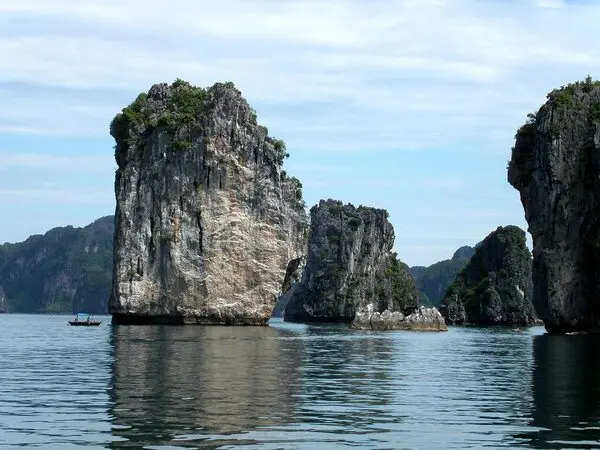
Few places offer this much for so little: street food that ranks among the world's best, dramatic landscapes from Ha Long Bay to the Hai Van Pass, and beach time in Da Nang and Phu Quoc. A north-to-south route (Hanoi → Hoi An → Ho Chi Minh City) covers the highlights in two weeks. The country runs long, so internal flights save days over the train.

Portugal
From ~$100/day mid-range · best April–June & Sept–Oct
Still the best-value entry point to Western Europe: Lisbon and Porto deliver big-city culture at well below Paris or Barcelona prices, and the Algarve coast and Douro Valley add beaches and wine country within easy reach. English is widely spoken, it's exceptionally safe, and a digital-nomad visa makes longer stays straightforward. Avoid August, when the coast is hot and packed.

Türkiye
From ~$50/day mid-range · best April–May & Sept–Oct
A weak lira makes Istanbul's grand bazaars, Cappadocia's balloon-filled valleys, and the turquoise Mediterranean coast remarkably affordable. The classic loop, Istanbul, Cappadocia, and a few days in Antalya or the Lycian coast, packs three very different trips into one. Spring and autumn dodge the brutal summer heat in the interior.

Morocco
From ~$55/day mid-range · best March–May & October
Marrakech's medina, the blue streets of Chefchaouen, the Sahara at Merzouga, and the coastal calm of Essaouira make Morocco feel like several countries in one short flight from Europe. Riads (courtyard guesthouses) deliver atmosphere far above their price. Spring and autumn avoid both desert heat and the cold mountain winter. A guide for the desert leg is worth the modest cost.
Best for beaches & islands
If sand and sea are the point, these five lead on a mix of beauty, value, and reliable weather. The key everywhere is the dry season, show up in monsoon or hurricane months and even the best beach disappoints.

Philippines
From ~$45/day mid-range · best Dec–April
Palawan's El Nido and Coron, the white sand of Boracay, and the diving around Cebu and Bohol rival anywhere in the world at a fraction of Maldives or Caribbean prices. Island-hopping is the whole experience. Domestic flights connect the archipelago; build in buffer time for weather. The catch is distance, it's a long haul from most Western hubs, so go for two weeks, not one.

Greece
From ~$110/day mid-range · best May–June & September
The Cyclades (Santorini, Naxos, Milos, Paros) and the Ionian islands offer the postcard Mediterranean, whitewashed villages, clear water, and long meals. June and September dodge both the July–August crowds and the highest prices while keeping the sea warm. Ferries link the islands; pick two or three rather than racing through six. Athens deserves two days at the start.
Thailand
From ~$45/day mid-range · best Nov–March
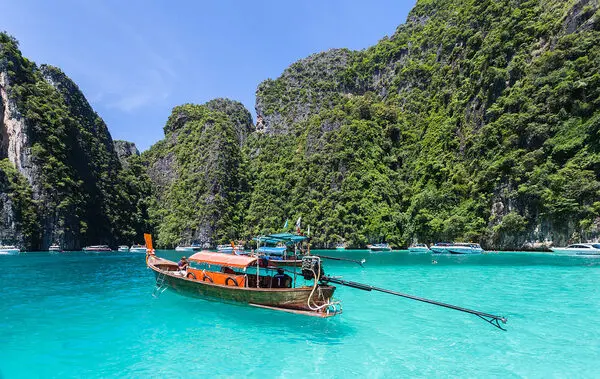
Beaches in Krabi and Koh Samui, culture in Chiang Mai, and the chaos of Bangkok make Thailand the most complete cheap-beach trip going. It's safe, social, and easy for first-timers and solo travelers alike, with excellent infrastructure. The Andaman coast (Phuket, Krabi) and the Gulf (Samui, Phangan) have opposite peak seasons, match your dates to the right side.
Mexico, Riviera Maya
From ~$70/day independent · all-inclusive from ~$200/night
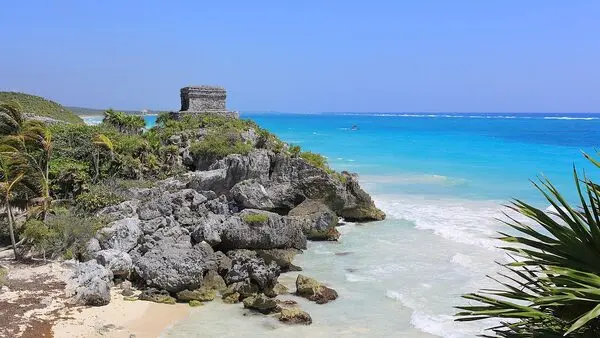
The Yucatán pairs Caribbean beaches with cenotes and Maya ruins (Tulum, Chichén Itzá), and it's a short, cheap flight from most of North America. All-inclusive resorts around Cancún and Playa del Carmen make it the default family and couples' escape, while Mérida and the Pueblos Mágicos reward independent travelers. November–April is dry and outside hurricane season.

Bali, Indonesia
From ~$50/day mid-range · best April–October
Bali earns its reputation: surf and beaches in the south, rice terraces and temples around Ubud, and a deep nomad and wellness scene with month-long stays that get very cheap. The dry season (April–October) is the time to go. It can feel crowded in the hotspots, the Bukit Peninsula, the east coast, and the Nusa islands offer quieter alternatives within easy reach.
Best for culture & cities
For art, history, food, and the energy of great cities, these four reward slow, on-foot travel. None are the cheapest on this list, but timing them right keeps costs sane.
Italy
From ~$130/day mid-range · best April–June & Sept–Oct
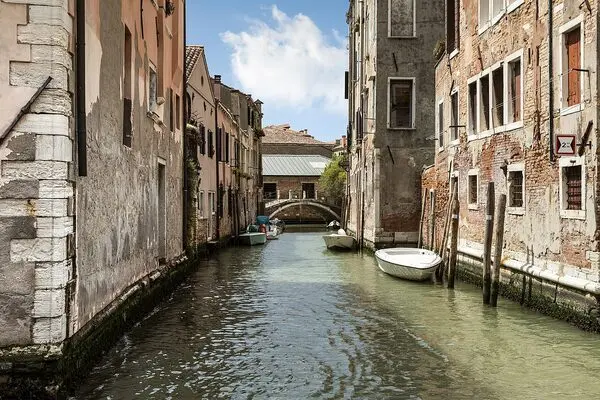
Rome, Florence, and Venice are crowded for good reason, but 2026's smarter move is to pair one of them with a lesser-trodden region, Puglia's coast, Bologna's food, or the lakes. Shoulder season is essential: spring and early autumn deliver the same cities without August's heat, prices, and crush. Trains link everything fast; skip the car unless you're doing Tuscany or the south.

Spain
From ~$110/day mid-range · best April–June & September
Madrid and Barcelona anchor a country that's still better value than France or Italy, with Seville, Granada, and the Basque food scene close behind. It's lively, safe, and easy to combine with Portugal next door. Long, late evenings and walkable centers make Spanish cities a pleasure on foot. Avoid the interior in peak summer, Andalusia routinely tops 40°C in July and August.
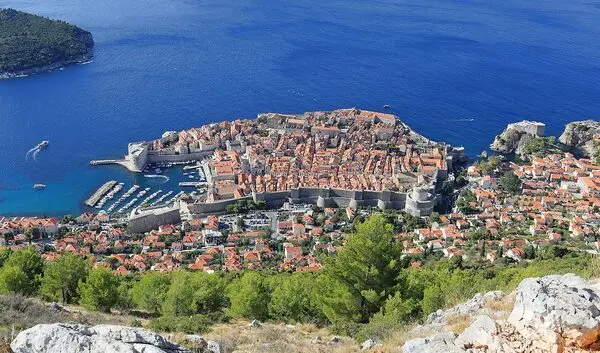
Croatia
From ~$95/day mid-range · best May–June & September
Dubrovnik and Split bring walled-city history right up against a swimmable Adriatic, with island day-trips (Hvar, Korčula) and the Plitvice Lakes inland. It's joined the euro and crept up in price, so shoulder season matters more than ever, June and September are the sweet spot. Pair it with a quick hop to Montenegro or Slovenia for variety.

Dubai, UAE
From ~$150/day mid-range · best Nov–March
Dubai works two ways in 2026: as a long-layover city on the way between Europe/Americas and Asia, and as a winter-sun luxury break with reliable warmth from November to March. Modern, extremely safe, and effortless to navigate, it pairs skyline spectacle with desert excursions and beach resorts. Summer is brutally hot, go in winter, and budget for the fact that alcohol and top hotels run expensive.
Best for nature & adventure
For landscapes, wildlife, and the outdoors, these four are the highlights of 2026, each with a clear best season tied to weather or wildlife you don't want to miss.
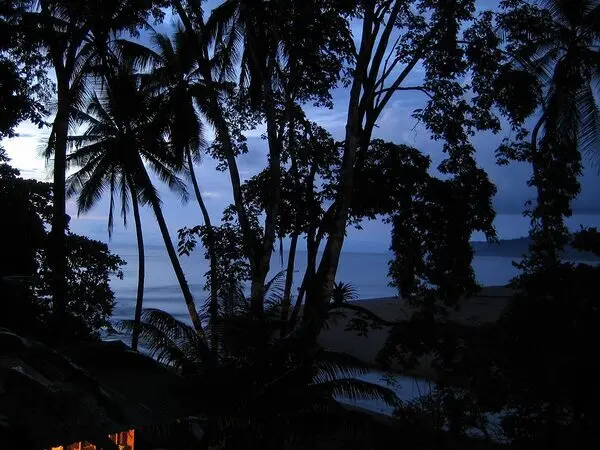
Costa Rica
From ~$80/day mid-range · best Dec–April (dry)
Rainforest, volcanoes, two coastlines, and some of the most accessible wildlife on earth, sloths, monkeys, and toucans, make Costa Rica the easiest nature trip from North America. It's safe, stable, and well set up for families and first-time adventure travelers. The classic route links Arenal, Monteverde's cloud forest, and a Pacific beach like Manuel Antonio. Go in the December–April dry season.
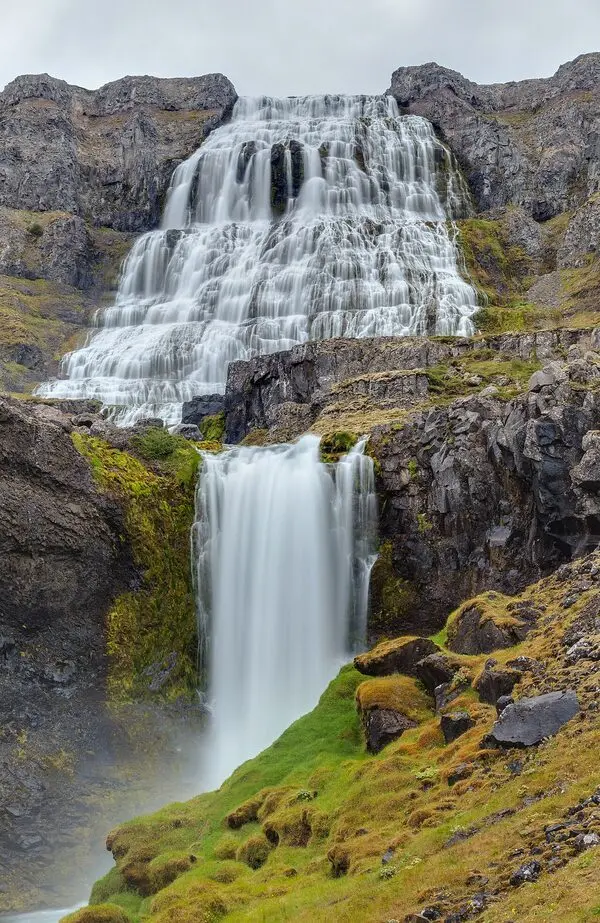
Iceland
From ~$180/day mid-range · best June–Aug (summer) or Sept–Mar (auroras)
Waterfalls, glaciers, geothermal pools, and black-sand coasts pack into a country you can loop in a week on the Ring Road. It's expensive, among the priciest on this list, but unforgettable, and consistently ranked the safest country in the world for solo and first-time travelers. Summer brings the midnight sun and open highlands; winter trades daylight for the northern lights.

Peru
From ~$55/day mid-range · best May–September (dry)
Machu Picchu anchors a trip that also takes in Cusco's colonial-Inca streets, the Sacred Valley, and, for the ambitious, the Amazon or Lake Titicaca. Book Inca Trail permits months ahead; they sell out. The dry season (May–September) is the time to hike. Acclimatize to the altitude in Cusco before any trekking, and add Lima's standout food scene at either end.

South Africa
From ~$80/day mid-range · best May–September (dry, safari)
A self-drive or guided safari in Kruger, the winelands and dramatic coast around Cape Town, and the Garden Route make South Africa the most varied, and best value, safari destination. The dry winter months (May–September) concentrate wildlife around water and offer the best game viewing. It's a long flight but a favorable exchange rate keeps costs low once you land.
Quick comparison table
| Destination | Style | Per day | Best season | Ideal trip |
|---|---|---|---|---|
| Japan | Value · culture | ~$90 | Mar–May, Oct–Nov | 10–14 days |
| Vietnam | Budget | ~$35 | Feb–Apr | 12–16 days |
| Portugal | Value · city | ~$100 | Apr–Jun, Sep–Oct | 7–10 days |
| Türkiye | Value · culture | ~$50 | Apr–May, Sep–Oct | 8–12 days |
| Morocco | Value · culture | ~$55 | Mar–May, Oct | 8–10 days |
| Philippines | Beach | ~$45 | Dec–Apr | 12–16 days |
| Greece | Beach · islands | ~$110 | May–Jun, Sep | 9–12 days |
| Thailand | Beach · all-round | ~$45 | Nov–Mar | 10–14 days |
| Mexico (Riviera Maya) | Beach · family | ~$70 | Nov–Apr | 5–9 days |
| Bali | Beach · nomad | ~$50 | Apr–Oct | 10–21 days |
| Italy | Culture · city | ~$130 | Apr–Jun, Sep–Oct | 8–12 days |
| Spain | Culture · city | ~$110 | Apr–Jun, Sep | 8–12 days |
| Croatia | Coast · culture | ~$95 | May–Jun, Sep | 7–10 days |
| Dubai | City · luxury | ~$150 | Nov–Mar | 4–7 days |
| Costa Rica | Nature · family | ~$80 | Dec–Apr | 8–12 days |
| Iceland | Nature | ~$180 | Jun–Aug, Sep–Mar | 6–9 days |
| Peru | Adventure | ~$55 | May–Sep | 9–13 days |
| South Africa | Safari | ~$80 | May–Sep | 10–14 days |
How to choose your 2026 trip
With this many strong options, the destination should fall out of your constraints, not the other way around. Work through them in order: budget, then dates, then group, then style. Each one cuts the list down fast.
- Lock your budget first, it eliminates more of the map than anything else
- Match your dates to a destination's dry/shoulder season, not the other way around
- Long flights only pay off for long trips, save far-flung Asia and Africa for two-plus weeks
- Pair a marquee spot with a quieter neighbor to dodge crowds and cut costs
- Chasing the absolute cheapest week often lands you in monsoon or hurricane season
- Cramming five cities into seven days costs more and delivers less than going deep on two
- Booking flights before checking visa/ETIAS rules is the most common expensive mistake
Decide your daily budget and your travel month first, together they point straight at three or four of these eighteen. Then let group and style break the tie. Confirm entry rules and book the flight early.
Frequently asked questions
For developed-world comfort, Japan is the standout, a historically weak yen makes its food, trains, and hotels cheaper for Western travelers than they've been in decades. For outright low cost, Vietnam delivers a comfortable day for around $35, and Türkiye, Thailand, and the Philippines aren't far behind. The common thread is a favorable exchange rate plus a low local cost of living.
Shoulder season, the weeks just before and after a destination's peak, is reliably the cheapest time to travel with good weather. It typically cuts costs 20–40% versus peak while avoiding the worst crowds. For Europe that means April–June and September–October; for tropical destinations it means the start or end of the dry season. Avoid school holidays and major local events, which spike prices everywhere.
It depends on your passport and destination. Many travelers from the US, UK, Canada, and Australia travel visa-free or on simple e-visas. The UK now requires an ETA. The EU's ETIAS is not in operation as of August 2026; you do not need it for Schengen travel today. Use the entry checker, then confirm on the official source. See our visa and entry guide.
Book international flights roughly 2–6 months ahead for the best fares; domestic and short-haul, 1–3 months. Accommodation in popular spots and anything with limited capacity, Inca Trail permits, peak-season island resorts, marquee festivals, should be booked as early as you can commit, often six-plus months out. Booking too late routinely adds 30–50% to flights and can sell out the best-value stays entirely.
Iceland tops the Global Peace Index again in 2026, and countries like Japan, Portugal, Switzerland, and New Zealand consistently rank among the safest for travelers, including solo and solo-female travelers. "Safe" varies by traveler and trip, though, petty theft in a low-crime city is a different risk than the political or health concerns that drive a government advisory. Check your government's official advisory (US State Department, UK FCDO, Australia's Smartraveller) for your specific destination. Our safest-countries ranking breaks it down.
2026 offers more strong, good-value destinations than any recent year. Set your budget and month first, let group and style narrow it, and don't let a great trip get derailed by a missed entry rule or a late-booked flight. Whatever you pick, the savings live in the timing.