


What "safe" actually means
Ask which country is safest and you'll get a different answer depending on who's asking. A family worried about pickpockets in a transit hub, a solo woman walking back to a hostel after dark, and a hiker thinking about earthquakes or political unrest are all asking about "safety", but they're asking about three different things. No single number captures all of it, which is why this ranking cross-references several sources rather than trusting one.
The headline is reassuring: with international travel fully recovered past 1.5 billion trips in 2026, the destinations most people actually visit are overwhelmingly safe. The countries below combine very low violent crime, stable politics, strong health systems, and the cleanest possible reading from the world's three most-watched government advisories, the US State Department, the UK's FCDO, and Australia's Smartraveller.
But "safe" is relative to you. A country can sit near the top of the Global Peace Index and still have a city neighborhood where you keep a hand on your bag, or a road network you shouldn't drive at night. The useful question isn't "is this country safe?" but "is this country safe for the way I travel?", and that's the lens we use throughout.
Iceland tops the Global Peace Index again in 2026, and Japan, Switzerland, Portugal, and New Zealand are the standouts for the broadest range of travelers, extremely low violent crime, clean advisories, and easy logistics. For peace of mind on a first solo trip, start there and read the petty-crime notes before you book the flight.
How the safety indices differ
Three very different tools shape any honest safety ranking, and they often disagree because they measure different things. Knowing what each one is for keeps you from over-reacting to a headline.
- Global Peace Index (GPI), published by the Institute for Economics & Peace, it ranks ~160 countries on societal safety, ongoing conflict, and militarization. It's a measure of a society's peacefulness, not a tourist checklist: a country can rank highly yet still have busy-street pickpocketing.
- Government travel advisories, the US State Department (Levels 1–4), UK FCDO, and Australia's Smartraveller assess risk for their own citizens, and they weigh terrorism, unrest, crime, and health. They're the most actionable source, and they're frequently more granular than a national rank, flagging specific regions rather than whole countries.
- Crime indices, datasets like Numbeo aggregate residents' perceptions of safety and crime. They're best for the on-the-ground feel of a specific city and for petty-crime risk, which the GPI barely touches.
- Health and infrastructure, quality of medical care, road safety, and natural-hazard exposure round out the picture. A peaceful country with poor trauma care or dangerous mountain roads still carries real travel risk.
Our approach: a country earns a place below only if it ranks strongly on the GPI and carries the cleanest tier of advisory (US Level 1 or 2, with no serious nationwide warnings from the UK or Australia). Where a caveat exists, a specific region, a road, a scam, we name it. Always check the live advisory for your nationality before you book; advisories change, and a snapshot in June 2026 is exactly that. Before we call any country safe, we cross-reference the peace index, the advisories, and the crime data rather than leaning on one headline, and everything below clears that bar.
The 12 safest countries for 2026
Ordered by their standing on the Global Peace Index and the strength of their government advisories, these twelve are the surest bets for a low-stress 2026 trip. Daily budgets are mid-range, per person, excluding international flights.
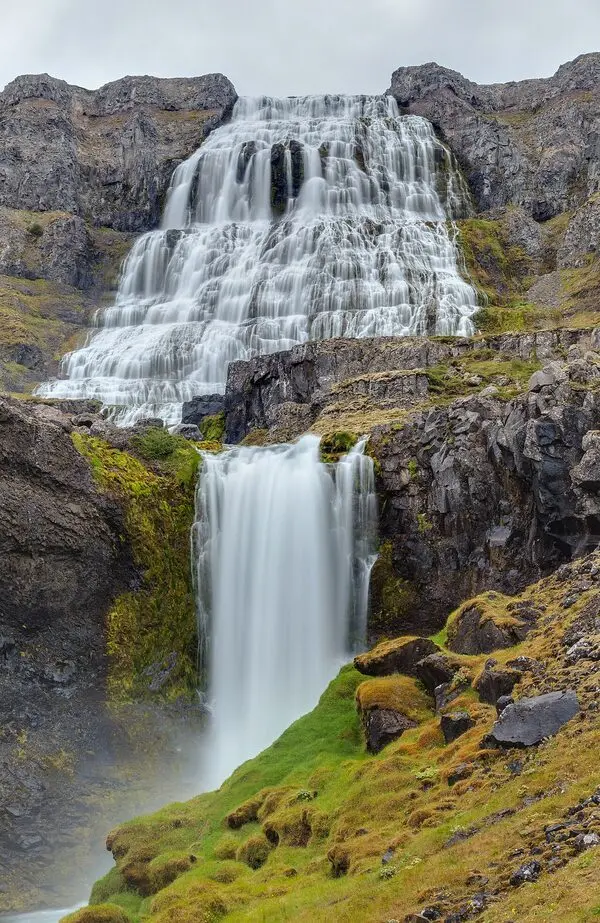
Iceland
From ~$180/day mid-range · best Jun–Aug or Sep–Mar (auroras)
Iceland has topped the Global Peace Index for well over a decade and holds the spot again in 2026. Violent crime is near-nonexistent, the police are unarmed, and solo travelers, including solo women, consistently rate it the most comfortable country anywhere. The real risk here is natural, not human: weather and road conditions on the Ring Road turn dangerous fast, so the one rule is to check forecasts and never drive into a storm. Expensive, but unmatched for peace of mind.

Japan
From ~$90/day mid-range · best Mar–May & Oct–Nov
Japan pairs world-class safety with the best value among developed countries in 2026, thanks to a historically weak yen. Lost wallets routinely get handed in, late-night transit feels secure, and women travel solo with ease. The honest caveats are natural-hazard preparedness (earthquakes, typhoons in late summer) and the occasional crowded-train groping report, which transit police take seriously. Otherwise it's a near-ideal first solo trip, see our solo guide.
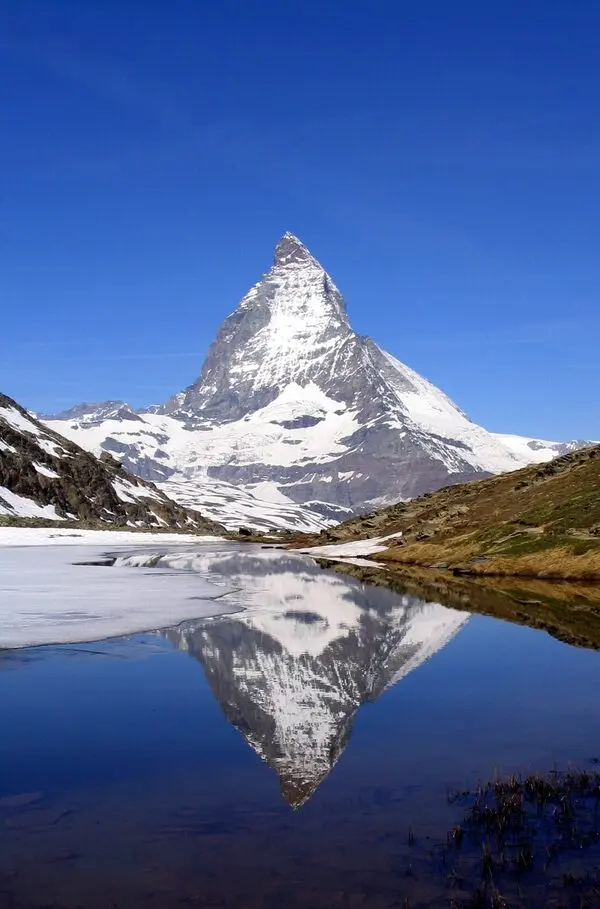
Switzerland
From ~$170/day mid-range · best Jun–Sep & Dec–Mar (ski)
Switzerland sets the benchmark for low crime, political stability, and the best medical care on the continent, reassuring if you're hiking or skiing the Alps. Cities are spotless and safe at any hour, and trains run with famous reliability. The only meaningful risks are mountain-related: weather, altitude, and off-piste terrain. It's among the priciest countries to visit, but the floor on safety and infrastructure is as high as it gets.
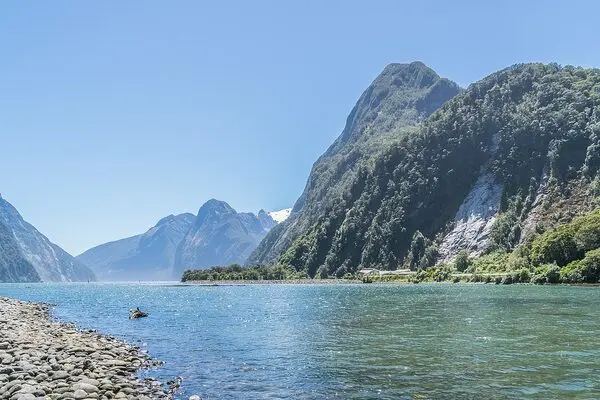
New Zealand
From ~$120/day mid-range · best Dec–Mar (summer)
New Zealand is a perennial GPI top-five and one of the easiest countries in the world for English-speaking solo travelers. Crime against visitors is low, the people are famously helpful, and the adventure infrastructure, guided hikes, well-run operators, is built around safety. The real hazards are outdoors: changeable alpine weather, rip currents, and long rural drives on the left. Respect the conditions and it's about as safe as adventure travel gets.
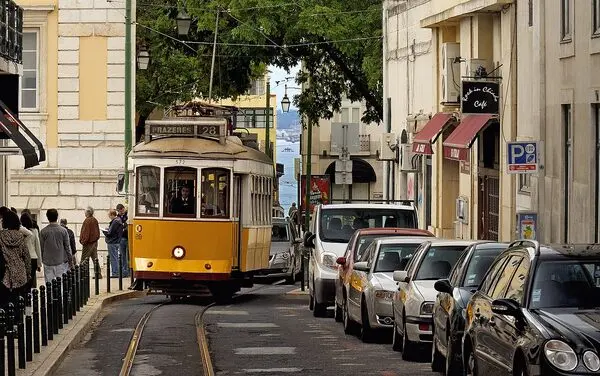
Portugal
From ~$100/day mid-range · best Apr–Jun & Sep–Oct
Portugal is the rare country that combines top-tier safety with genuine value, a GPI top-ten finisher with very low violent crime, widely spoken English, and the warmth that makes solo travel relaxed. The only thing to watch is classic European pickpocketing on Lisbon's tram 28, the metro, and tourist crowds. Keep valuables zipped and you'll likely never have an issue. It's the standout safe-and-affordable entry point to Western Europe.
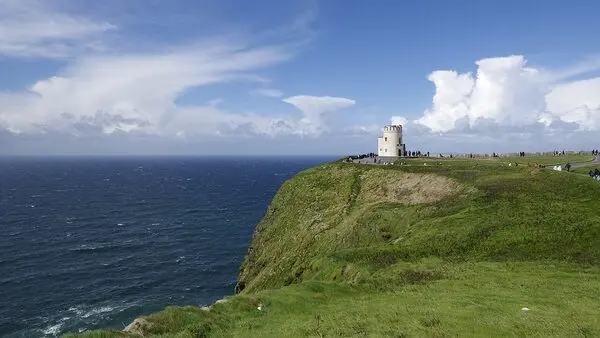
Ireland
From ~$120/day mid-range · best May–Sep
Ireland sits comfortably in the GPI top ten, with low violent crime, an easy language fit, and a sociability that makes solo travel feel natural, striking up conversation in a Dublin or Galway pub is half the trip. The realistic risks are minor: opportunistic city-center theft and the universal advice to watch drinks in nightlife districts. Driving is on the left and rural lanes are narrow. None of it should change your plans.
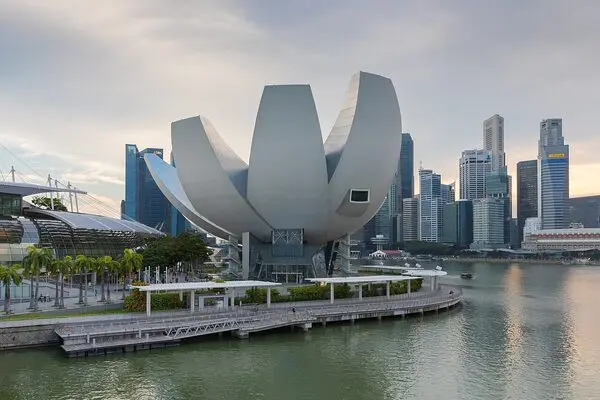
Singapore
From ~$110/day mid-range · best Feb–Apr
Singapore is famously one of the safest cities on earth, low crime, immaculate transit, and a comfortable feel at any hour for solo and solo-female travelers. The trade-off is strict laws: drug penalties are severe, fines apply to things tourists don't expect (jaywalking, eating on the metro), and they're enforced. Read the rules, follow them, and it's effectively risk-free. A polished, ultra-safe base for a wider Southeast Asia trip.

Denmark
From ~$140/day mid-range · best May–Sep
Denmark anchors the Nordic cluster that dominates the top of the GPI: high social trust, low crime, and Copenhagen ranking among the world's safest and most walkable capitals. It's a model city for solo travelers and families alike. The only real watch-out is bike traffic, Copenhagen's cycle lanes move fast and pedestrians are expected to stay out of them. Otherwise the floor on safety is Scandinavian-high, with prices to match.
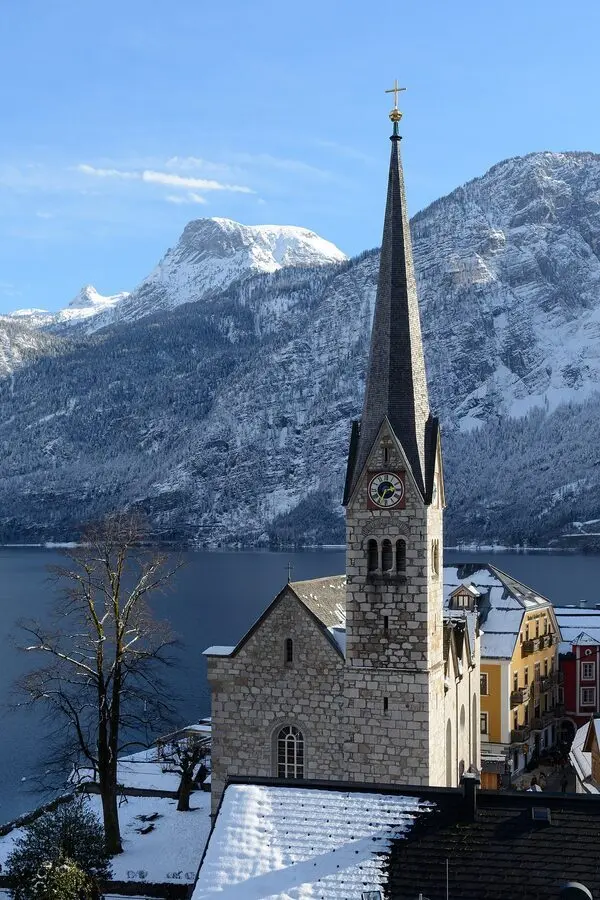
Austria
From ~$120/day mid-range · best May–Sep & Dec–Mar (ski)
Austria is a GPI top-tier country with very low crime and one of Europe's most liveable, safest capitals in Vienna. Public transport is excellent, the Alps are well-managed for hikers and skiers, and it makes an easy, secure base for exploring central Europe by train. As with anywhere in the Alps, weather and altitude are the genuine risks on the trails. City pickpocketing exists but is modest by Western European standards.
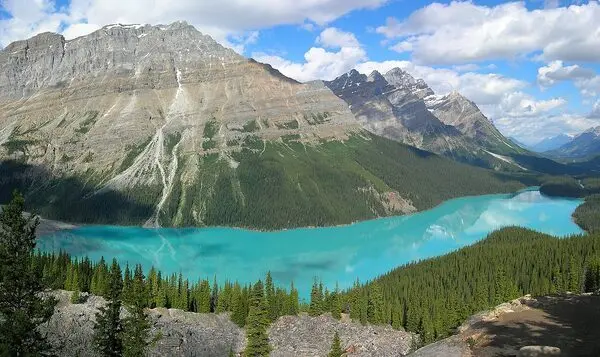
Canada
From ~$130/day mid-range · best Jun–Sep & Dec–Mar
Canada is the safest country in North America by a wide margin, a GPI top performer with low violent crime, stable governance, and welcoming, multicultural cities that are easy for solo travelers. The realistic risks are environmental: harsh winters, wildlife in the backcountry, and very long driving distances between regions. Big-city downtown pockets warrant ordinary urban caution. For most visitors it's a relaxed, low-friction trip.

Slovenia
From ~$90/day mid-range · best May–Sep
Slovenia is the value pick on this list: a GPI top-ten country with very low crime, yet noticeably cheaper than its Alpine neighbors. Ljubljana is a small, walkable, exceptionally safe capital, and Lake Bled and the Julian Alps put nature within easy reach. Solo and first-time European travelers find it relaxed and uncrowded. The risks are mountain-weather and the usual minor caution in tourist crowds, both easy to manage.
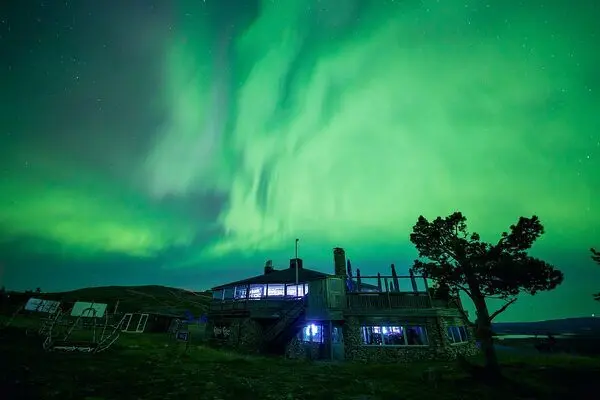
Finland
From ~$140/day mid-range · best Jun–Aug & Dec–Mar (auroras)
Finland rounds out the Nordic group with some of the highest social trust and lowest crime figures anywhere, plus the best aurora viewing in Lapland for winter trips. Helsinki and the lake country are calm, clean, and effortless to navigate solo. The genuine hazard is cold, winter temperatures are extreme, and the outdoors demands proper gear and respect. Pricey, but as safe and orderly as travel gets, with a wild northern bonus.
Safety comparison table
| Country | Peace rank | US advisory | Main risk to watch | Per day |
|---|---|---|---|---|
| Iceland | GPI #1 | Level 1 | Weather, Ring Road driving | ~$180 |
| Japan | GPI top 10 | Level 1 | Earthquakes, typhoons | ~$90 |
| Switzerland | GPI top 10 | Level 1 | Mountain conditions | ~$170 |
| New Zealand | GPI top 5 | Level 1 | Outdoor & alpine hazards | ~$120 |
| Portugal | GPI top 10 | Level 1 | Pickpocketing in Lisbon | ~$100 |
| Ireland | GPI top 10 | Level 1 | Minor city-center theft | ~$120 |
| Singapore | GPI top 10 | Level 1 | Strict laws & fines | ~$110 |
| Denmark | GPI top 5 | Level 1 | Fast bike traffic | ~$140 |
| Austria | GPI top 5 | Level 1 | Alpine weather | ~$120 |
| Canada | GPI top 15 | Level 1 | Winter, distances, wildlife | ~$130 |
| Slovenia | GPI top 10 | Level 1 | Mountain weather | ~$90 |
| Finland | GPI top 15 | Level 1 | Extreme winter cold | ~$140 |
Solo & solo-female safety
For solo travelers, and solo women in particular, the safest countries share a profile: low violent crime, reliable public transit you can use after dark, widely spoken English or easy navigation, and a culture where asking for help is normal. Every country on this list clears that bar, but a few stand out.
Iceland, Japan, New Zealand, and the Nordic countries (Denmark, Finland) consistently top solo-female-safety rankings. Women routinely describe walking alone at night in Reykjavík, Tokyo, or Copenhagen as genuinely comfortable, a sentiment backed by very low street-harassment and assault figures. Portugal, Ireland, Slovenia, and Singapore are close behind and add easy logistics and a friendly, low-hassle feel.
That said, "low crime" never means "no precautions." The universal solo-travel basics still apply everywhere: share your itinerary with someone, keep a charged phone and a backup of your documents, watch your drink in nightlife districts, and trust your instincts about a situation or a stranger. Carry travel insurance that covers medical and evacuation, it matters far more than the small odds of a crime.
The safest countries don't remove the need for street smarts, they just lower the stakes when you use them.
For a first solo trip where safety is the priority, it's hard to beat Iceland, Japan, or New Zealand, extremely low harassment, easy logistics, and welcoming cultures. For a safe European base on a tighter budget, Portugal and Slovenia deliver the same peace of mind for less. See our full solo & nomad guide for nomad visas and coworking.
Petty crime vs serious risk
The single most useful distinction in travel safety is also the one most headlines blur: petty crime and serious risk are not the same thing, and they call for completely different responses.
Petty crime, pickpocketing, bag-snatching, distraction scams, taxi overcharging, is an annoyance, not a danger, and it exists even in the world's safest cities. Lisbon's tram 28, busy metros, and packed tourist plazas are where it happens. The fix is behavioral and cheap: keep valuables in a front pocket or zipped bag, don't flash phones and cash, stay alert in crowds, and use registered taxis or apps. It rarely escalates to anything physical.
Serious risk, violent crime, terrorism, civil unrest, natural disasters, and health emergencies, is what government advisories are built to flag, and it's the right reason to change or cancel a plan. None of the countries on this list carry meaningful nationwide serious-risk warnings in 2026, which is exactly why they're here. Where serious risk shows up in safe countries, it's usually environmental: Iceland's weather, the Alps' mountain conditions, New Zealand's rip currents.
- Read the live advisory for your nationality, not just a global rank, it's the most actionable source
- Treat petty crime as a behavior problem: front pockets, zipped bags, situational awareness
- In low-crime countries, the bigger risk is usually environmental, weather, water, roads
- Carry insurance with medical and evacuation cover; it dwarfs the odds of a crime
- Don't let a pickpocketing headline scare you off an otherwise very safe country
- Don't assume "safe country" means you can skip basic precautions after dark
- Don't ignore region-specific advisory notes, a safe country can have one road or area to avoid
- Don't drive unfamiliar mountain or rural routes at night, even where crime is near-zero
Frequently asked questions
Iceland is the safest country to travel to in 2026, it tops the Global Peace Index again, carries a US State Department Level 1 advisory, and has near-nonexistent violent crime. Japan, Switzerland, New Zealand, and the Nordic countries round out the safest tier. The main risks in these places are environmental, weather, mountains, the occasional earthquake, rather than crime. Always confirm the live advisory for your nationality before you book, since situations change.
Iceland, Japan, New Zealand, and the Nordic countries (Denmark and Finland) consistently top solo-female-safety rankings, with very low street-harassment and assault figures and cultures where women report feeling comfortable walking alone at night. Portugal, Ireland, Slovenia, and Singapore are close behind and add easy logistics. Low crime never means no precautions, though, share your itinerary, watch your drink in nightlife areas, and carry travel insurance with medical cover.
They measure different things. The Global Peace Index ranks a society's overall peacefulness, conflict, militarization, and societal safety, but barely touches tourist-level petty crime. Government advisories (US State Department Levels 1–4, UK FCDO, Australia's Smartraveller) assess risk specifically for their own citizens and are the most actionable, often flagging individual regions rather than whole countries. Crime indices like Numbeo capture the on-the-ground feel of a city. Cross-reference all three rather than trusting one.
Usually not. Petty crime, pickpocketing, bag-snatching, distraction scams, is an annoyance that exists even in the world's safest cities, and it's almost entirely preventable with simple habits: keep valuables zipped and in a front pocket, don't flash phones or cash, and stay alert in crowds and on busy transit. It's a different category from serious risk, violent crime, unrest, terrorism, or natural disasters, which is what government advisories are built to flag and the right reason to change a plan.
Some are. Many of the safest countries are expensive, Iceland, Switzerland, and the Nordics sit at the top of both safety and cost. But there are strong value exceptions: Japan is exceptional value in 2026 thanks to a weak yen, while Portugal and Slovenia deliver top-tier safety at well below Western European prices. If budget matters more than the absolute safest pick, those three are the sweet spot, see our cheapest-countries ranking and budget guide.
The safest countries in 2026 are overwhelmingly safe for the way most people travel, the GPI leaders and Level 1 advisories tell a reassuring story. Read "safe" through your own lens, separate petty crime from serious risk, check the live advisory for your nationality, and you'll find the only real risk left is usually the weather. Start with our best-places master guide to match safety with the trip you actually want.